Why Paper Menus Fail at the Beach
Sunscreen smudges, wind-blown pages, salt water splashes — a beach bar menu becomes unreadable within days. Reprinting mid-season is slow and costly, and your guest is waiting at the table right now.
Seasonal and Daily Price Changes
Beach venues often adjust pricing multiple times per season — weekends, holidays, promotional periods. A digital menu update takes seconds; a paper reprint means redistributing new pages to every table or lounger.
Tourist Volume Means Multilingual Guests
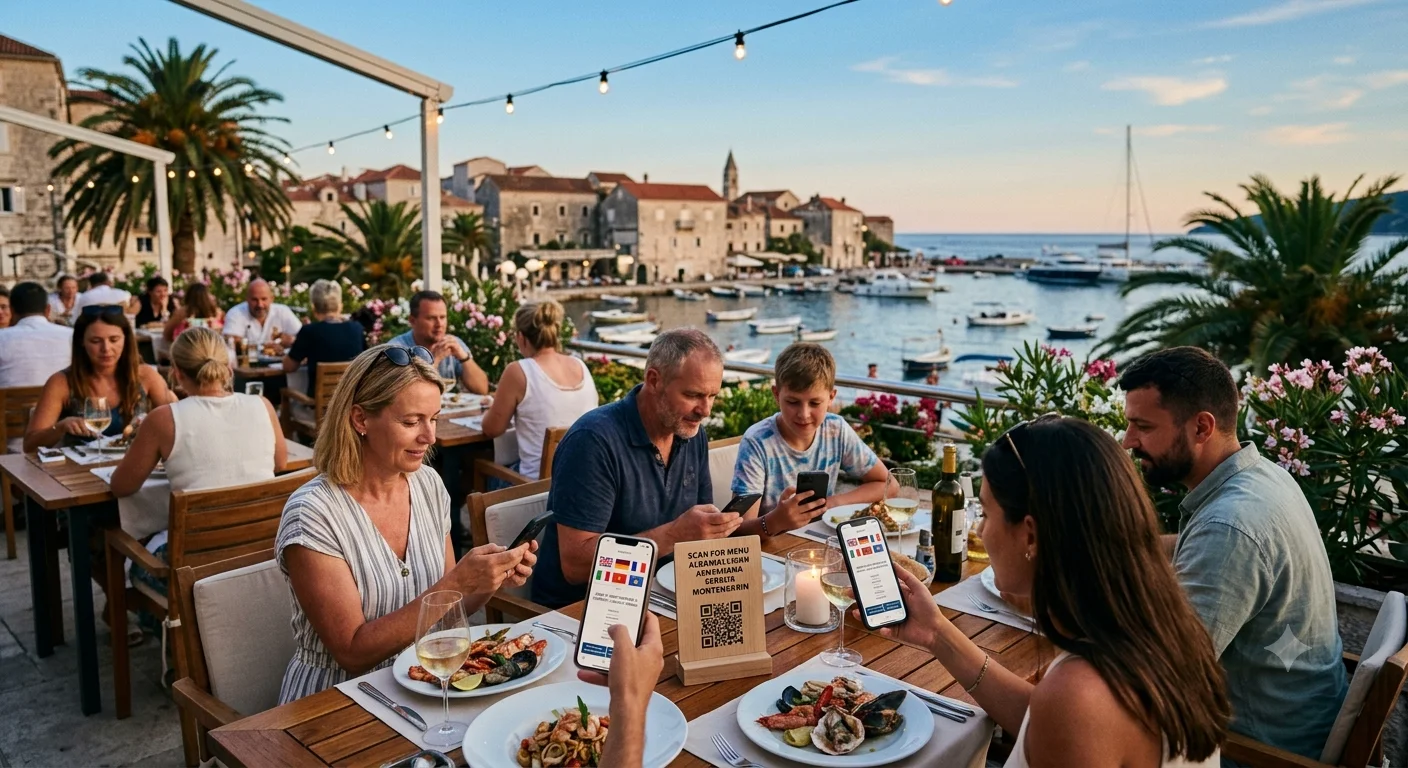
Beach bars along the coast see an overwhelmingly international guest mix. A single-language printed menu means losing a portion of your potential orders before a guest even asks a question. A digital menu can detect a guest's phone language automatically — no extra work for staff.
Loungers, Not Tables
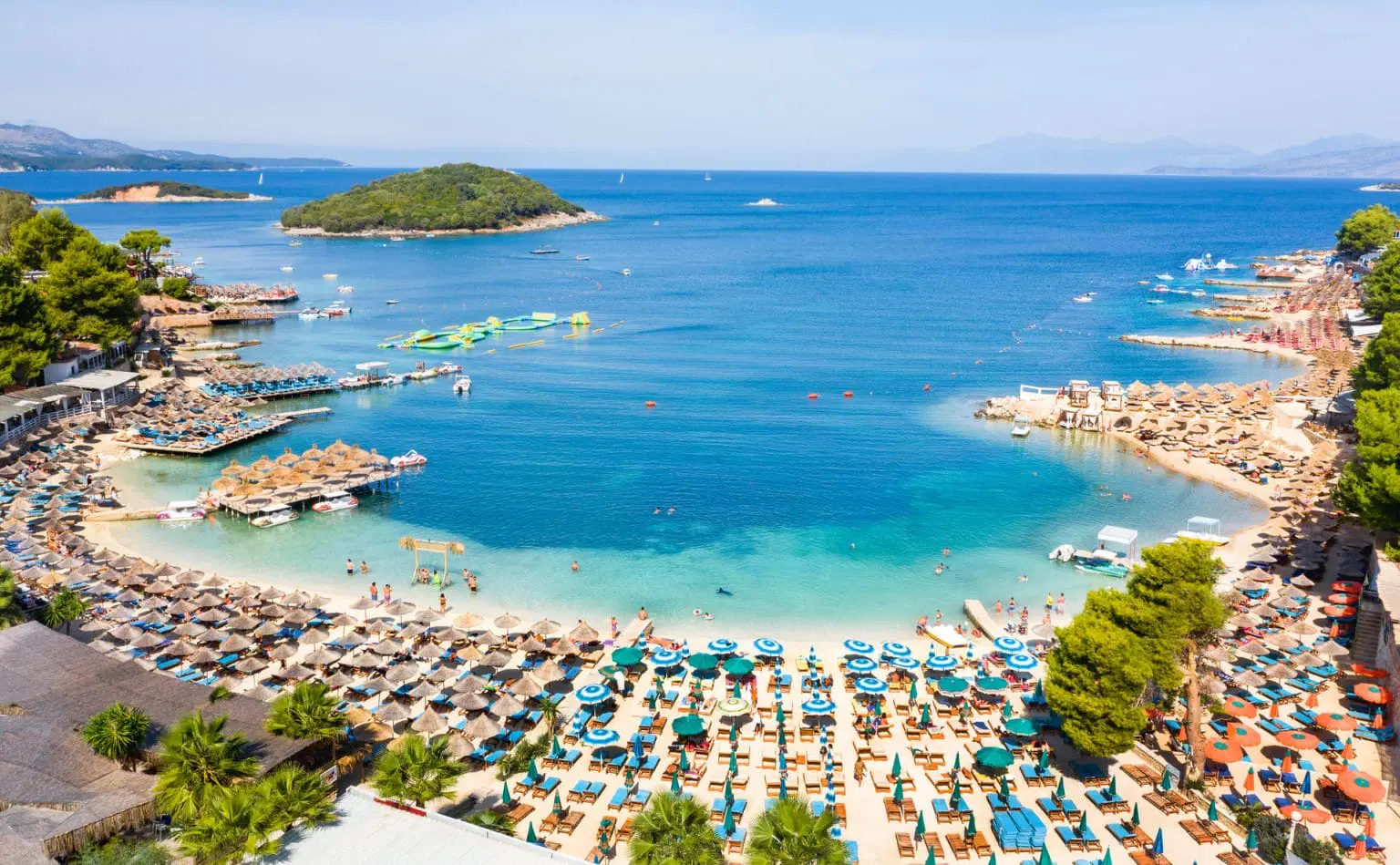
Beach bars typically operate around loungers or cabanas rather than fixed tables. A small QR code at each lounger speeds up ordering and reduces staff-guest contact during peak hours.
Conclusion
One of the biggest operational headaches in beach bar management — a fragile, slow-to-update paper menu — disappears with a digital system. Price and product updates take minutes for the rest of the season, and printing costs drop to zero.
Calculate Your Annual Savings
Your Estimated Annual Loss on Paper: €400