Hotel Digital Menu Systems Compared: QR Menu vs Tablet Menu vs App
When a hotel decides to go digital with its menu, three main options are on the table: QR code menus, in-room tablets, and guest-installed mobile apps. Each has genuine strengths — and real trade-offs. This guide compares all three honestly, so you can choose the right system for your property.
1. QR Code Menu
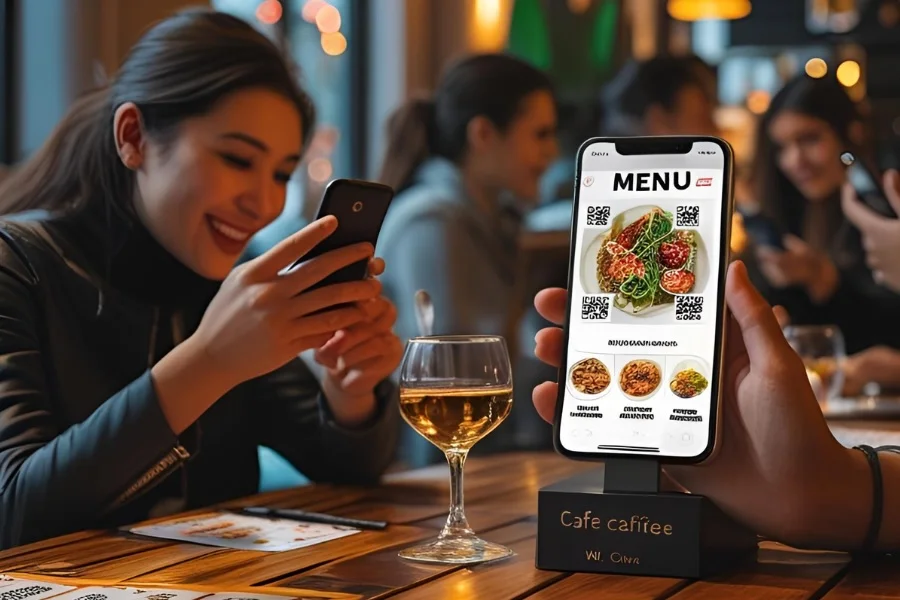
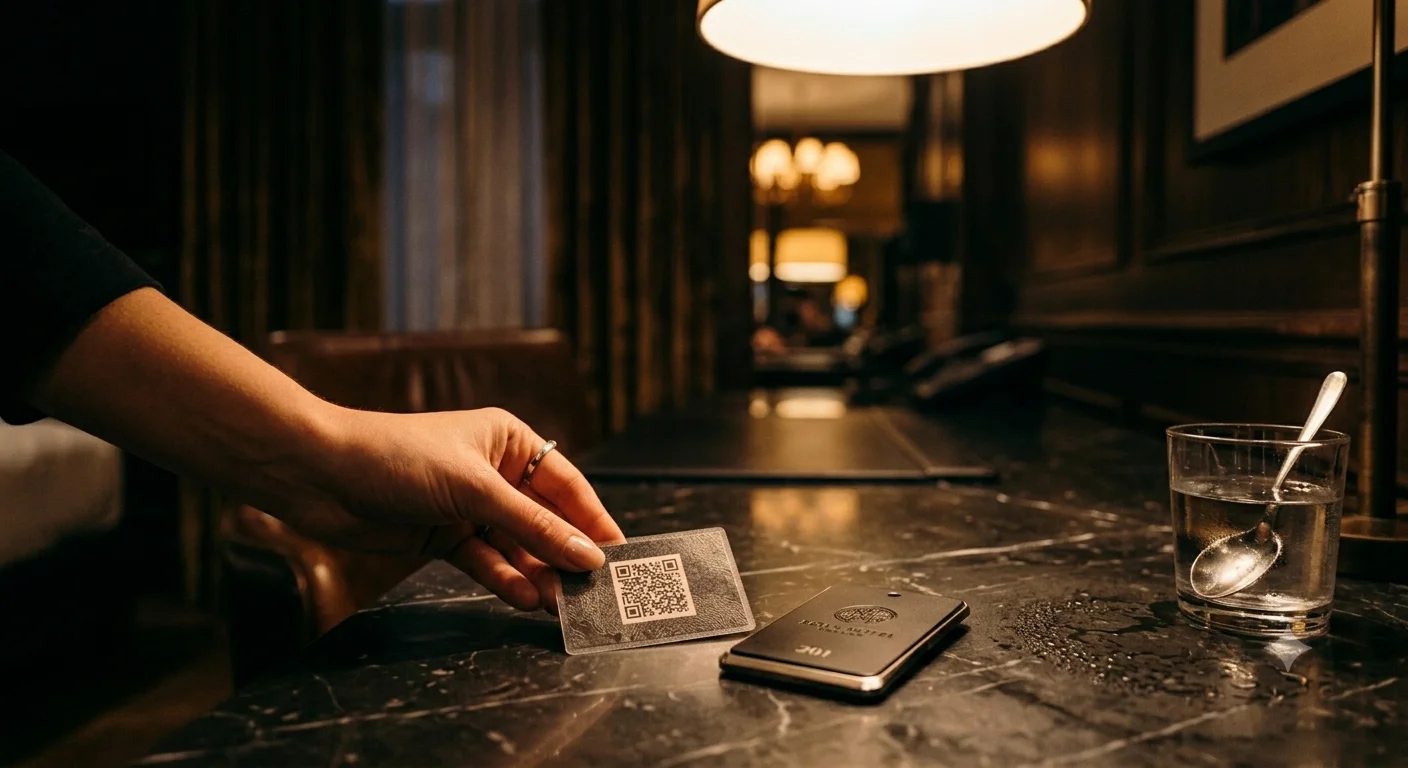
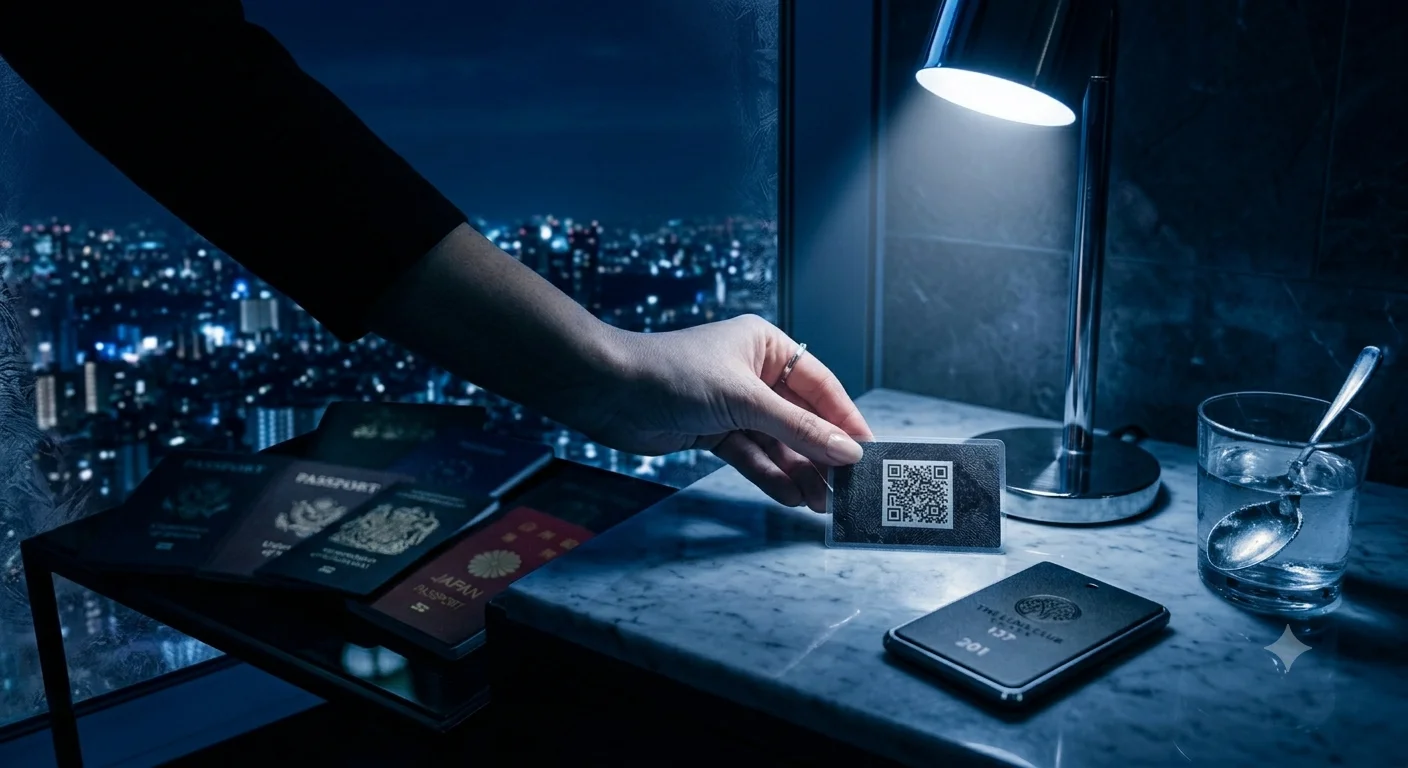
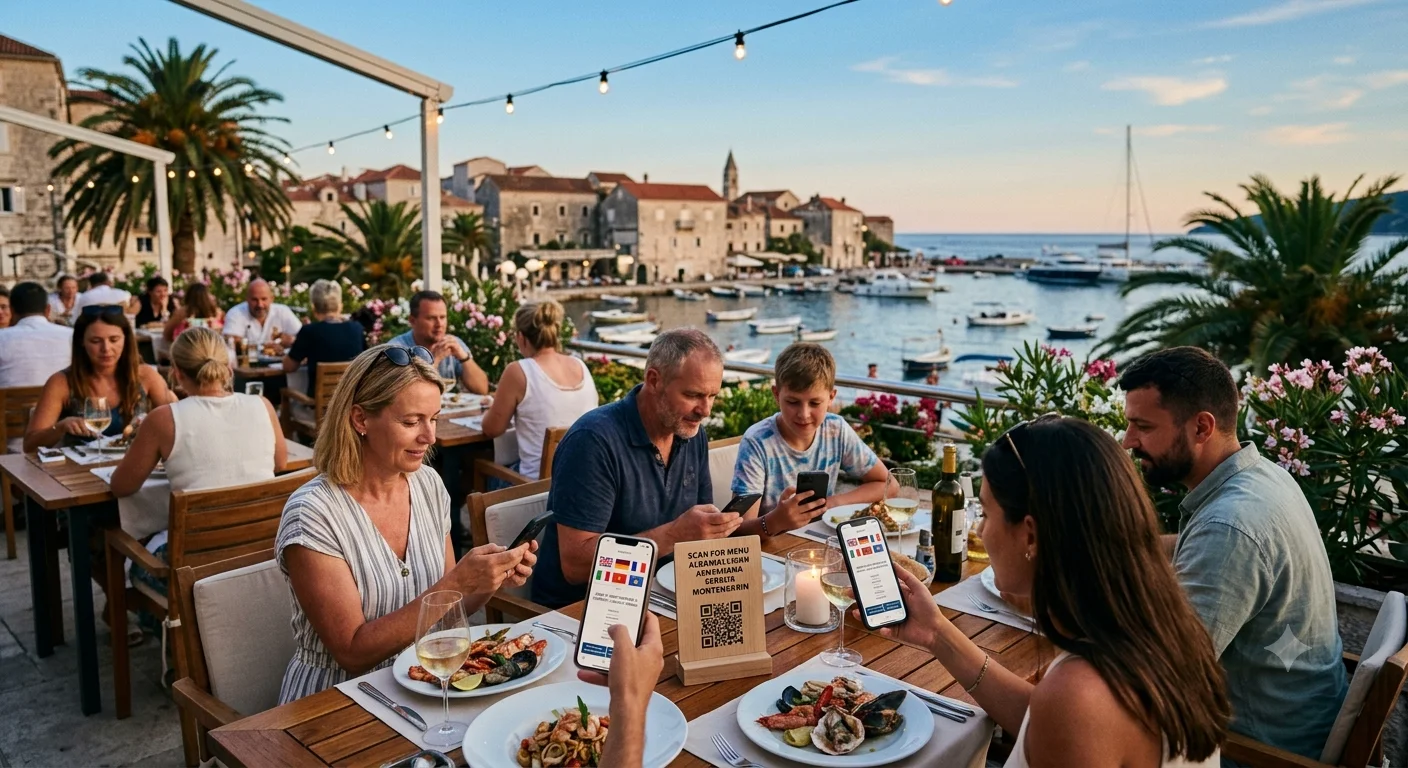
A guest scans a QR code placed in the room and accesses a web-based menu on their own device. No app download. No hardware to manage.
- Setup cost: Very low. A laminated card and a panel subscription is all you need.
- Maintenance: Menu content is updated from the dashboard — no physical changes required.
- Guest experience: Frictionless for guests using their own devices. No technical knowledge required.
- Language support: Multiple languages managed easily from a single panel.
- Limitation: Requires a reliable Wi-Fi signal. Rooms with poor connectivity need a backup plan.
2. Tablet Menu
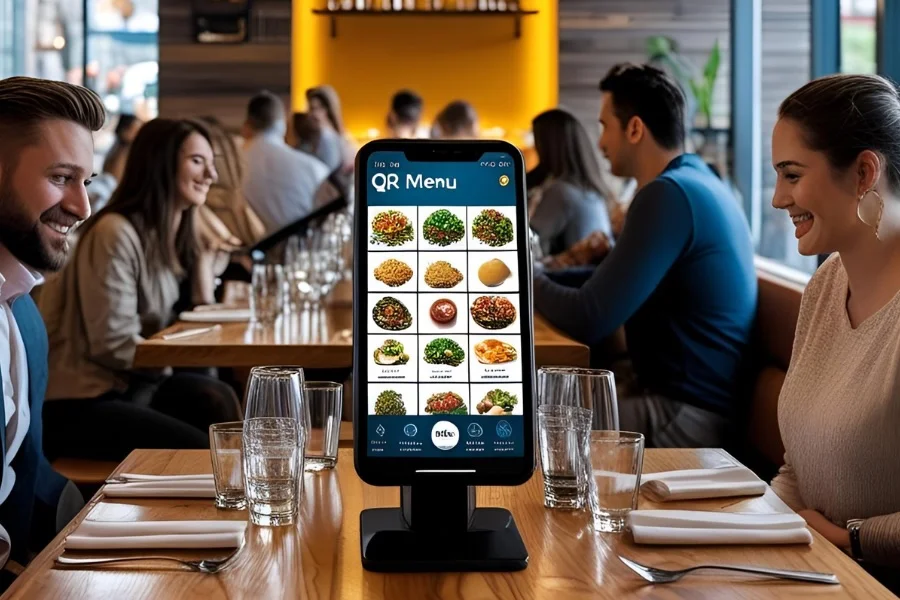
A dedicated touchscreen tablet in each room displays room service and hotel amenities.
- Setup cost: High. Per-room devices, charging infrastructure, and loss/breakage coverage add up quickly.
- Maintenance: Regular cleaning, charge management, and software updates create ongoing operational load.
- Guest experience: Larger screen with rich visuals is a genuine advantage for premium properties.
- Language support: Possible, but requires a content management layer.
- Limitation: Total investment is significant for 50+ room properties. Device replacement cycles add to long-term cost.
3. Mobile App
Guests are expected to download a property app from the App Store or Google Play.
- Setup cost: App development is expensive; even white-label platforms require configuration time.
- Maintenance: OS compatibility must be monitored continuously across iOS and Android updates.
- Guest experience: The download step significantly reduces conversion — especially for short stays. Research consistently shows most guests are unwilling to install an app for a single visit.
- Language support: Possible, but raises development cost.
- Limitation: Highest barrier to entry. Guest adoption rates are low.
Which System Fits Which Hotel?
For budget-conscious boutique hotels and guesthouses, QR menus are by far the most efficient choice. High-budget luxury chains may find tablets worthwhile for their premium presentation — but the operational overhead is real. Mobile apps only make sense for properties with a large, loyal returning guest base.
Read our hotel room service QR menu setup guide to see how QR deployment works step by step.
Conclusion
For most hotels, QR code menus offer the fastest deployment, the lowest cost, and the smoothest guest adoption. No hardware investment. Minimal maintenance. Multi-language support from a single dashboard.